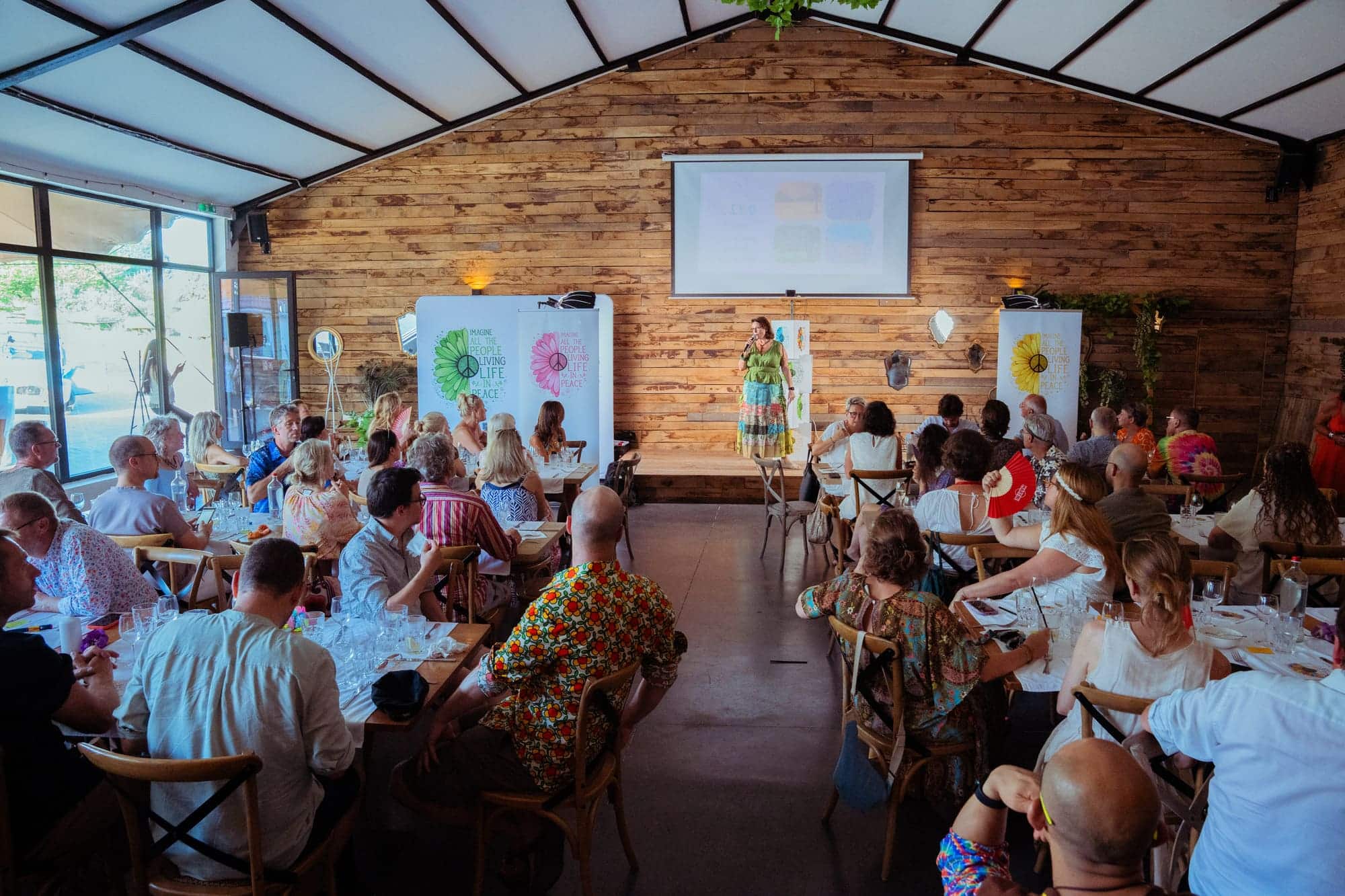
A team is not just a group of people working in the same place. It is a collective that trusts each other, adapts, overcomes difficulties together, and emerges stronger.
This seemingly subtle difference has measurable consequences. According to the Gallup study State of the Global Workplace 2024, highly engaged teams experience a significant reduction in turnover: up to 51% in low-turnover organizations and 21% in high-turnover ones. And according to The Boson Project, cohesive teams are 17% more productive than average.
Yet, in many organizations, cohesion is treated as a “bonus”—something addressed during the annual seminar, between two strategy slides. That is a mistake.
What AI brings to team cohesion
Artificial intelligence is transforming how people work together, and some of these changes support cohesion:
- Reducing operational friction: shared tools, accessible information, automatic reports, fewer misunderstandings about “who does what”;
- Facilitating remote collaboration: meeting analysis, real-time translations, and shared summaries help hybrid or international teams work better together;
- Objectifying team dynamics: some HR platforms analyze collaboration patterns and highlight isolated members or imbalances in speaking time;
- Freeing up time for human interaction: by automating administrative tasks, AI creates space for informal exchanges that build trust.
These contributions are real. But they only address the surface of what truly holds a team together.
Nadia and her “ghost team”
Nadia manages a team of six people in a fintech company. Since the introduction of AI-powered collaboration tools, projects are progressing more smoothly. Deadlines are met. Reporting is automated.
On paper, everything looks fine.
But during an internal survey, two members of her team expressed a feeling of invisibility. They execute and deliver, but they do not feel part of something. They do not really know their colleagues. Meetings are efficient, but cold. The tools communicate. People, less so.
Nadia realized something essential: the tools had streamlined processes. They had not created connection. And without connection, the team remained a group of skills—not a true team.
She then introduced simple rituals: informal check-ins at the start of meetings, a monthly lunch without an agenda, and a habit of celebrating successes collectively. Small actions that do not show up in dashboards, but gradually changed the team dynamic.
What AI will never build for you
Team cohesion relies on foundations that AI cannot establish:
- Trust: built over time, through consistency between words and actions;
- Psychological safety: the ability for everyone to speak up, suggest ideas, and make mistakes without fear of judgment;
- Empathy between colleagues: understanding what others experience—their constraints, strengths, and vulnerabilities;
- Collective rituals: shared moments, even informal ones, that create a sense of “us” beyond work;
- Conflict management: tensions are part of team life. Facing them together, rather than avoiding them, strengthens cohesion more than any tool.
These relational skills cannot be automated. They are cultivated day by day through authentic human interactions.
Investing in cohesion: a strategic decision
In a hybrid work environment, where teams meet less often and communicate increasingly through digital tools, cohesion is no longer a given. It must be actively built.
Organizations that invest in it reap tangible benefits: lower turnover, fewer conflicts, greater collective creativity, and the ability to navigate crises without breaking apart.
Our training programs support managers and teams in this concrete work: creating the conditions for real cohesion, developing the relational skills that make the difference, and learning to build a strong collective—even remotely, even with AI tools. Because what holds a team together is not processes. It is people.
Want to learn more? Discover our training “How to maintain team culture remotely.”